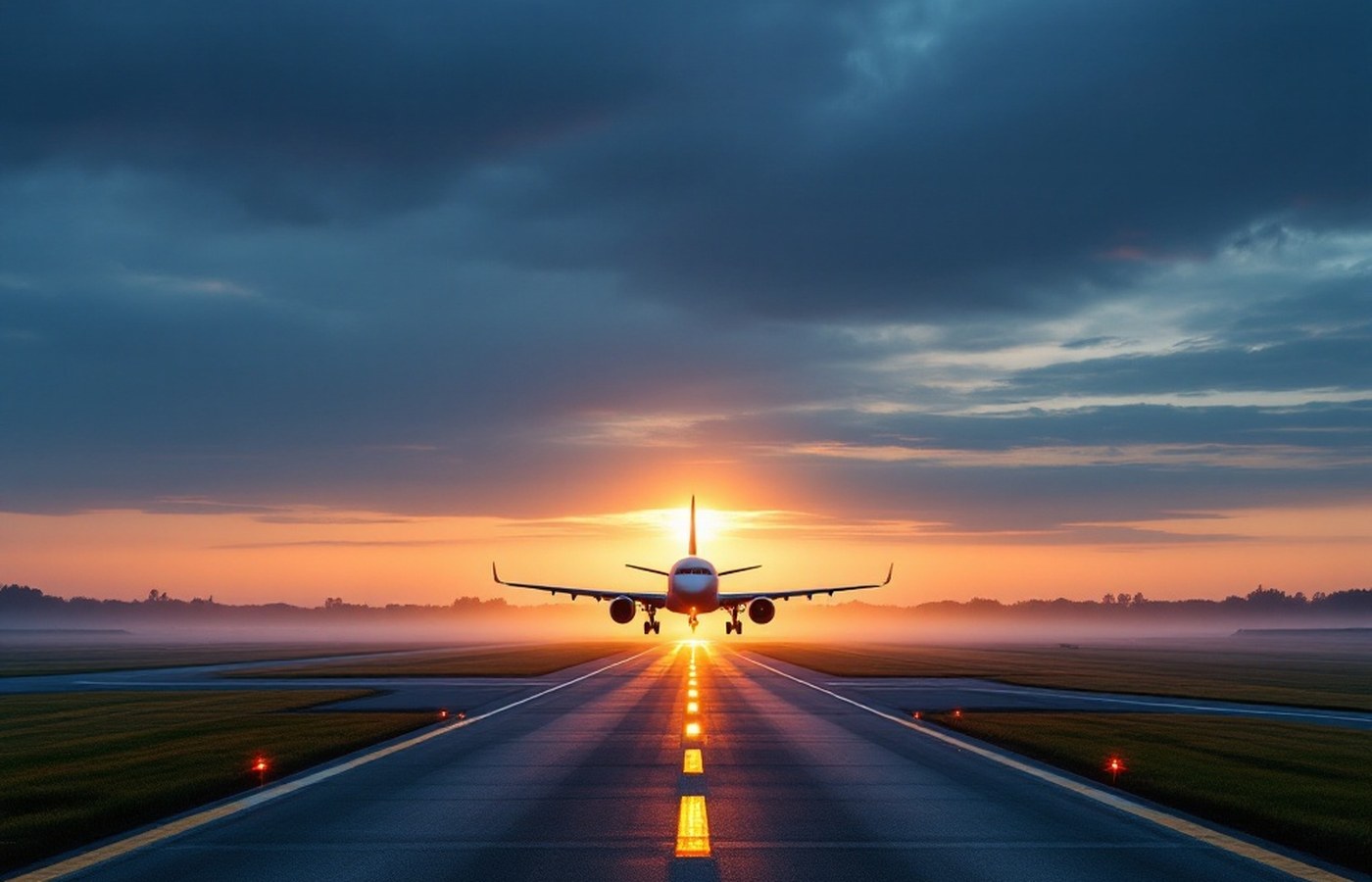
The journey of WIA to becoming an international airport is one characterized by passion, fate and resilience. It was never an outright commitment to succeed in the airline industry — in fact, the early adopters would probably argue otherwise if they could see how the airport has grown, serving airliners that fly to almost every corner of the globe. If the history of this airport is anything to go by, their desire, it seems, was simply for the field to serve the elite residents of Wilmington.
I.Enthusiasts Start Something
The presence of flight enthusiasts, with their passion for flying over the skies of Wilmington, set off the first in a series of developments, as captured in the airport's own history. Their agitation moved the county commissioners to begin building a landing field near the airstrip that existed at the time.
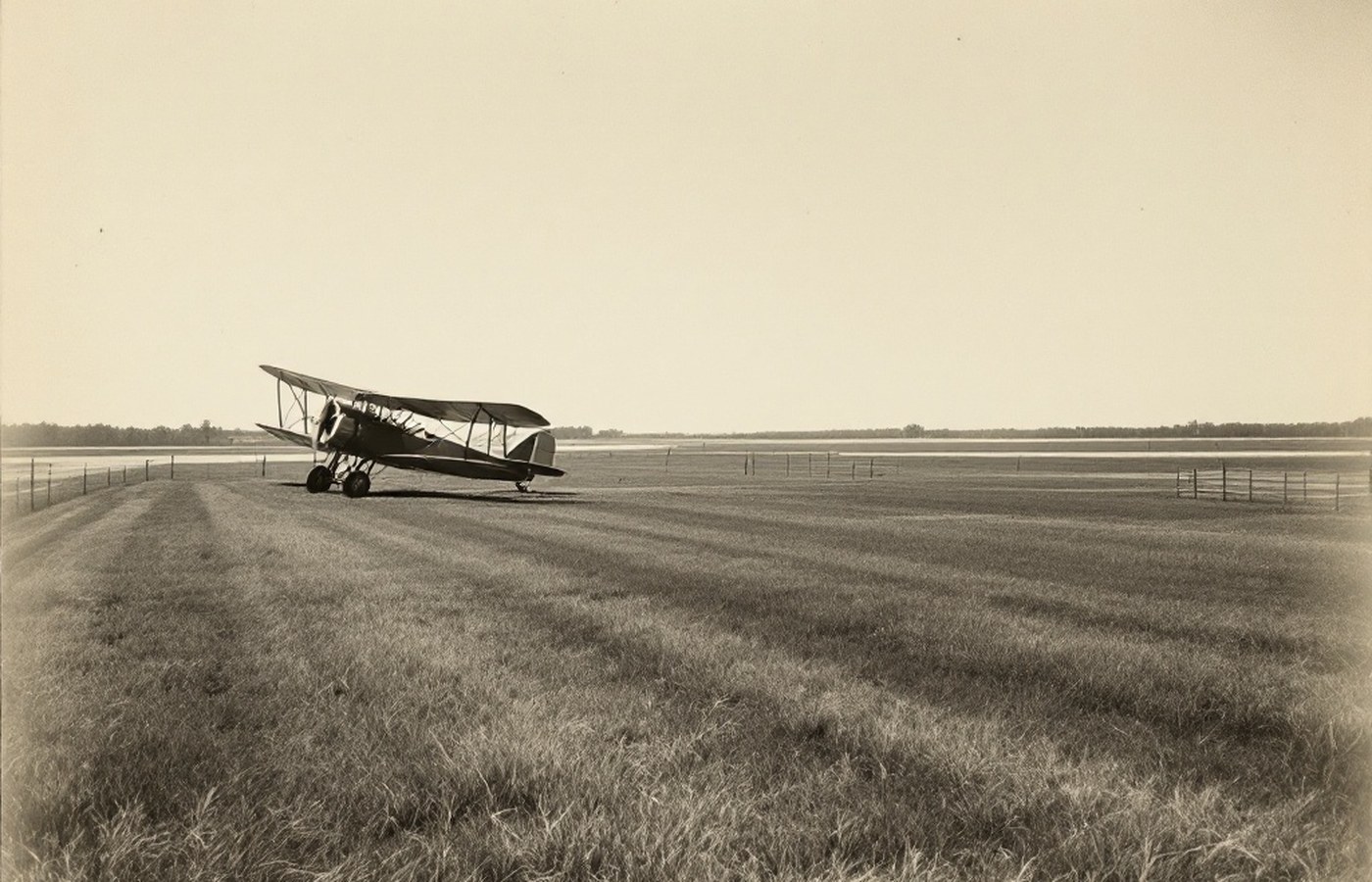
"ILM landing field."
II.The Field Goes to War
When the Second World War arrived, civilian flights had to give way to military planes and activities, and the airport became a major commanding center and operations base. It remained a military zone for the entire period of the war. After it ended, the facility resumed its commercial and civilian activities, and New Hanover County was entrusted with its management.
III.Towers, Runways, Boeings
After a series of developments, the construction of new buildings and the erection of a control tower in 1950 were the first signs of greater things to come, and the airport continued on its growth trajectory. The year 1968 marked another milestone, when the runway was renovated to accommodate the biggest planes. From then on, more growth was imminent: big aircraft could now land at ILM — the Boeing 737 among them — free to swell passenger numbers through Wilmington.
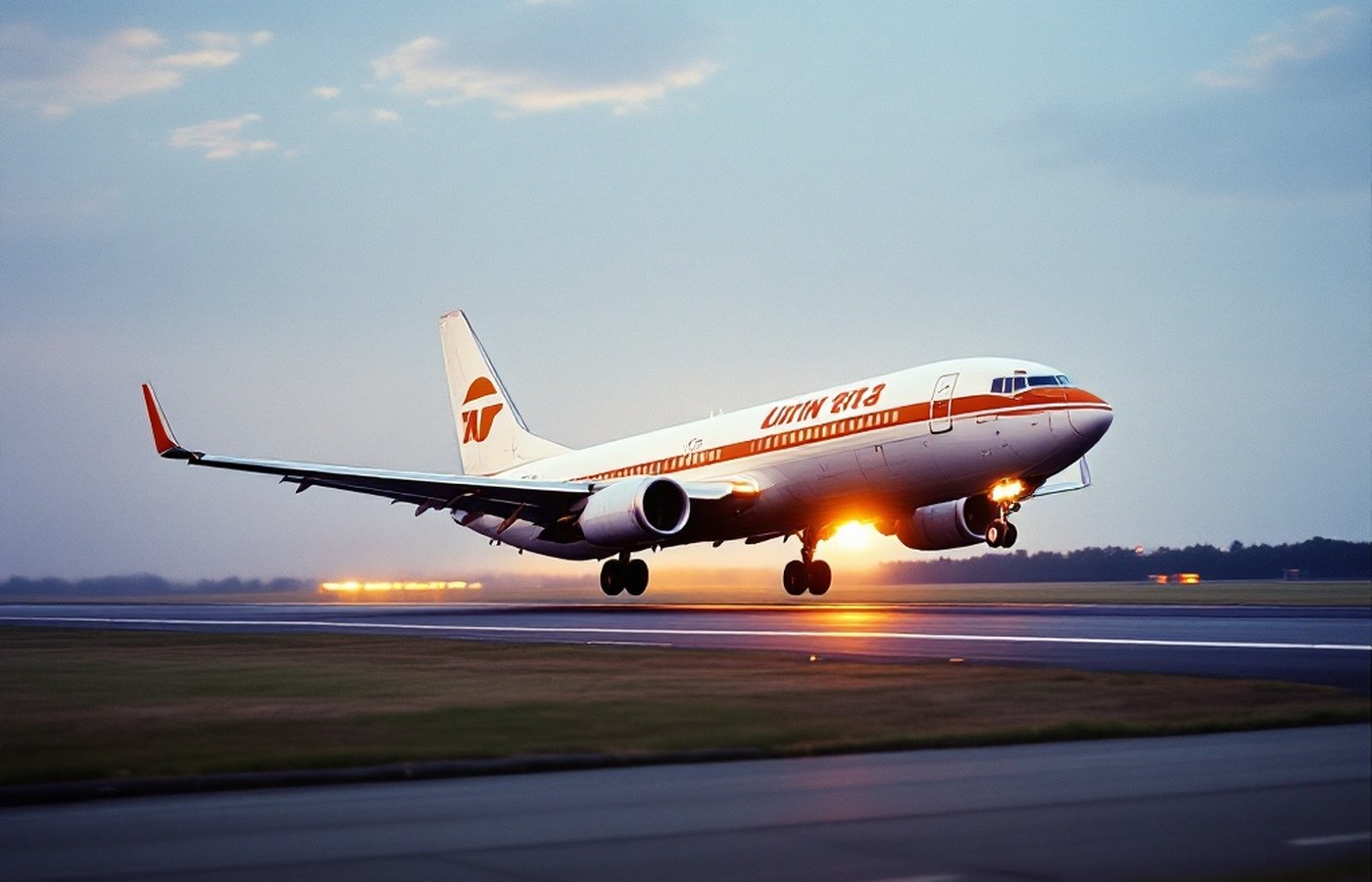
"Big planes could now land at ILM."
IV.The Point of No Return
The construction of a new building complex in 1980 signalled clearly where the airport was heading. The complex could house sophisticated equipment and the specialized staff needed to handle air control. At the same time, the airport was placed under an independent, specialized team of professionals tasked with running it. This was a point of no return: development of detailed technical standards to ensure safety, and of common coding to provide global consistency, was underway. Customs and immigration facilities were put in place in the same period.
- Longer runways for long-haul aircraft
- A state-of-the-art terminal complex
- Specialized aviation staff and air-control facilities
- Customs and immigration on site
V.1988: The World Arrives
With longer runways, a state-of-the-art terminal complex, specialized aviation staff, and customs and immigration facilities all in place, the time was ripe for the airport to become international. In 1988 it became the New Hanover International Airport, in readiness to welcome planes — and their occupants — from far and wide. A year later, the airport was handed to the independent Airport Authority to oversee its operations.
From then on, the Airport Authority has never looked back — and they have continued to grow the business of Wilmington International Airport into what it is today.