Have you ever thought about how the world might be if everything revolved around work? If we were not meant to think beyond working — such that your plan for life is to live a working life, and when you quit, you drop?
We might, in that case, be zombies: one-dimensional sorts of creatures. Or we could still be humans whose vision is to till and plough every little space we find. The most sought-after news might then be how people in New Zealand managed to level Mt. Aoraki and plant sorghum, and how the Nepalese are halfway through planting tobacco on top of the Himalayas. The world could be heading to Africa to learn its methods for felling every tree in the forests, and Europe could be fêted for evaporating all the waters of the Pacific Ocean.
The Question on the Leopoldina Train
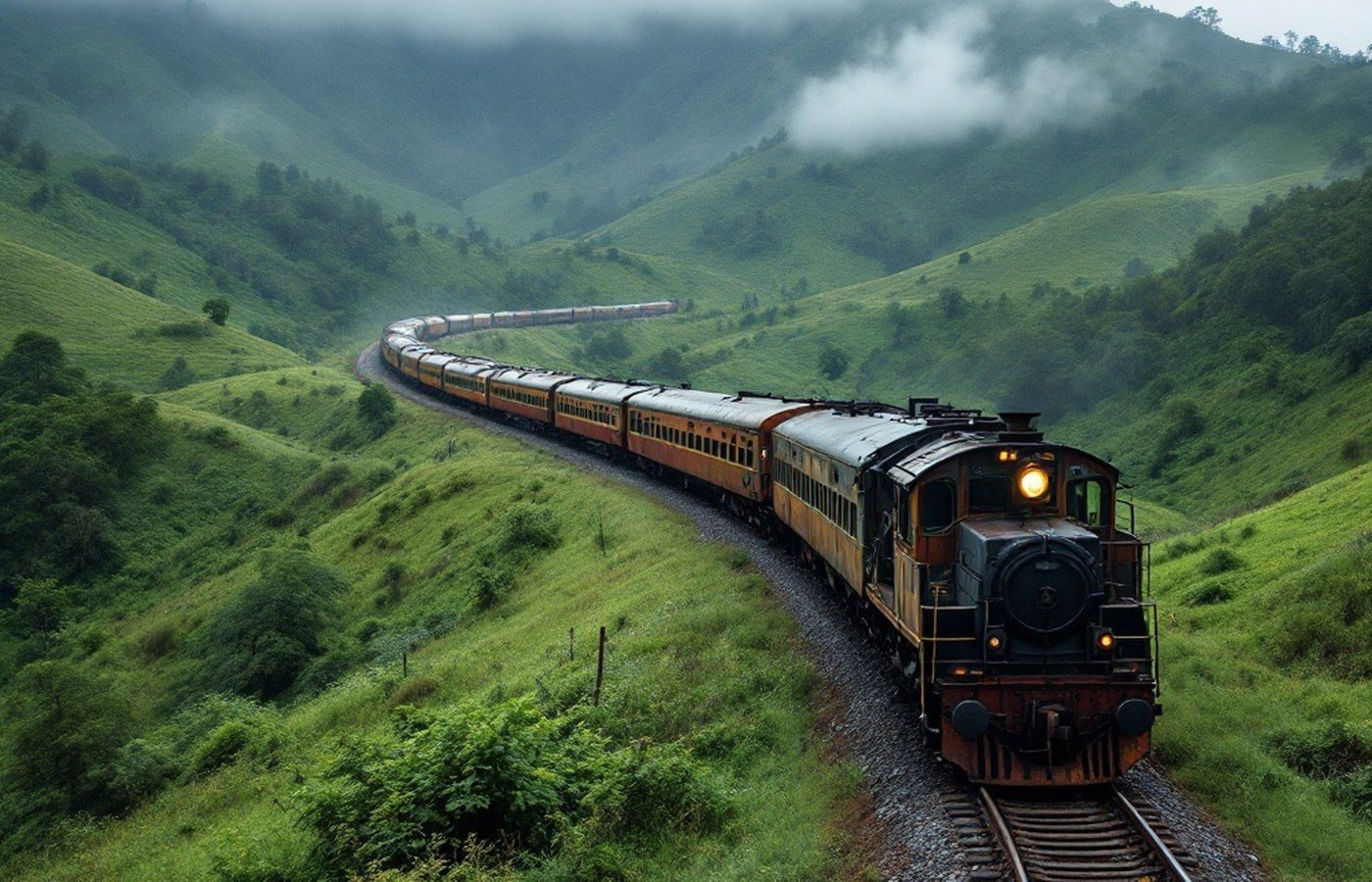
We were on board the Leopoldina Train — one of the oldest trains in Brazil — with a team of conservationists, travelling to assess the damage caused by human infiltration in the Amazon forest, when this question popped up. A man seated next to Jon, who seemed to have been following our conversation, felt he could not hold it in any longer. When the question came, all of us kept quiet for a while — not really thinking about why the man had to ask such a primitive question, or perhaps wondering who should go first, or even whether to brush him off and pretend nothing had happened.
In truth, our silence was an act of composure: an attempt not to laugh out loud, which could have been intimidating to the man. Trying to throw my eyes out the window and pretend to be busy appreciating the approaching settlement — as the train hooted to announce its arrival in that small town — my gaze finally met this gentleman's eyes, and I nodded, as if to say, "by the way."
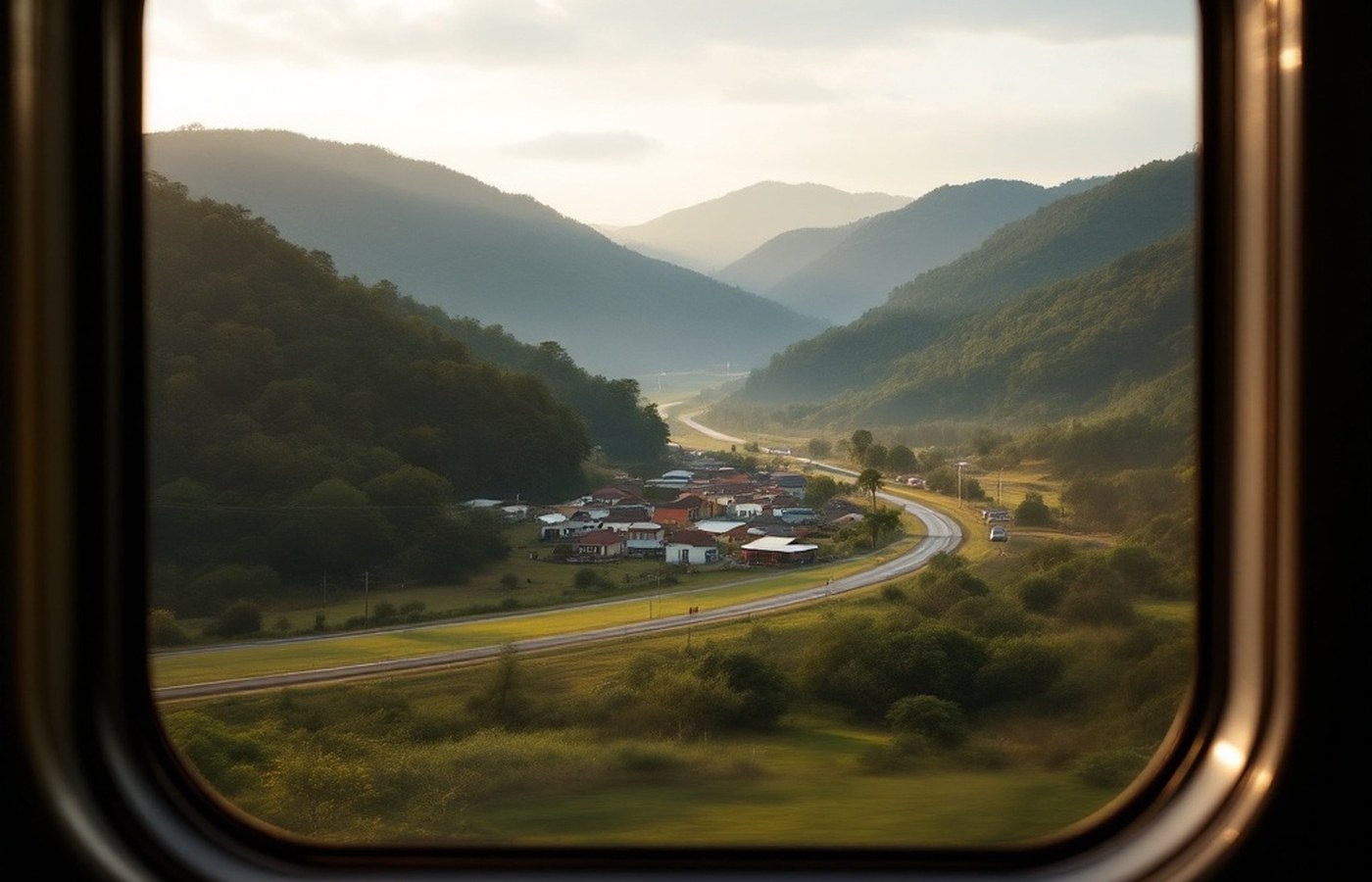
The settlement approaching as the train hooted its arrival.
Our heated debate on the new conservation laws and treaties that ought to be passed to protect natural habitats had come to an abrupt end — and I am sorry to say this to that man, because we never got the chance to answer him, or to learn his name. Soon after, and before we could face our guilt at not responding, the train came to a halt and he stepped off. We never even tried to work through his question. But he probably had a point to make. Or perhaps he was pelting out the frustration of having lived his whole life working — never getting the chance to travel and appreciate the many spectacular landmarks, creatures and scenes that Brazil holds.
We face such different questions and characters in our daily lives as we travel in the course of our conservation duties — and this generated a desire among us to make sure we highlighted what we saw, and every place we stepped into.
The Conservation Tourists
We have come to be known as the conservation tourists, but our work is really about the love of championing the need to conserve our heritage — and to open up more areas where families can go to make merry, and to learn from them.
We try to package information that could help you the next time you are looking for a place to take your family for a memorable experience. We are dedicated to bringing you first-hand information about the most attractive places to go and have an experience of a lifetime.
So don't keep far from this website, because it has only just begun — we have many other interesting articles coming up. Give us your feedback and keep logged in here.